NASA's latest moonshot is a heroic story decades in the making.

This week, for the first time since Apollo, we human went back to the Moon.
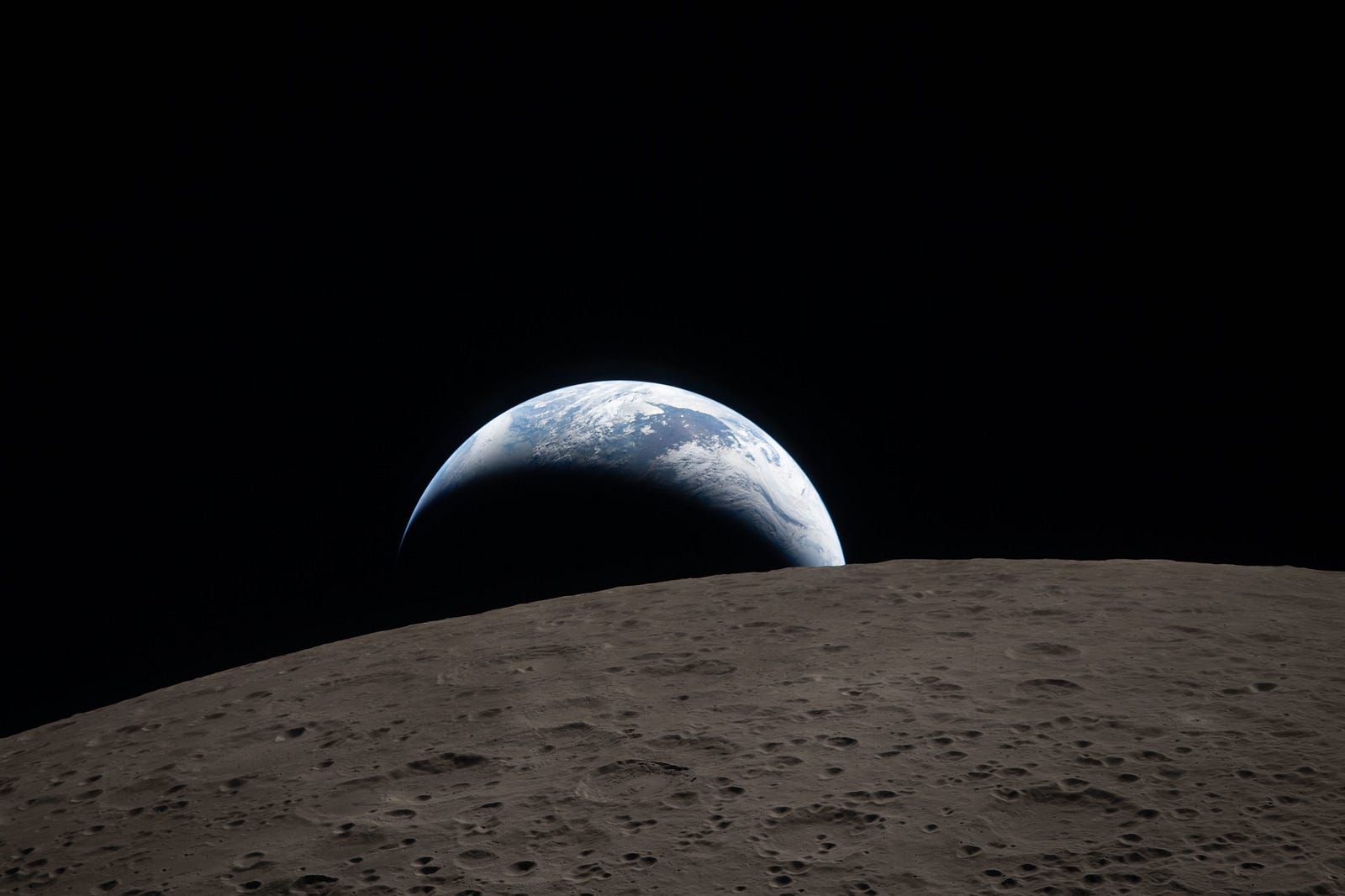
Artemis II launched on April 1 on a roughly 10-day mission, carrying four astronauts around the Moon and back. During the lunar flyby on April 6, the crew photographed the far side of the moon, saw an in-space solar eclipse, and then began the long trip home.
According to NASA, the mission set a new record for the farthest distance humans have ever traveled from Earth. That is not just a technical achievement. It is a reminder that history does not always move in a straight line. Sometimes it disappears for half a century and then, suddenly, comes roaring back.
What makes Artemis moving is that it carries so much of the past inside it. If human beings are living and working on the Moon fifty years from now, it will not be because one mission succeeded. It will be because generation after generation kept building, testing, failing, fixing, failing better, and trying again. Artemis exists because Apollo came first. It also exists because Apollo 1, Challenger, and Columbia taught painful lessons that NASA still studies so future crews have a better chance of coming home. Heroism in space has never been just about daring.
It has also been about hard-won knowledge.
Is this hard-won knowledge enough to break through from exploring space to living and working off-Earth?
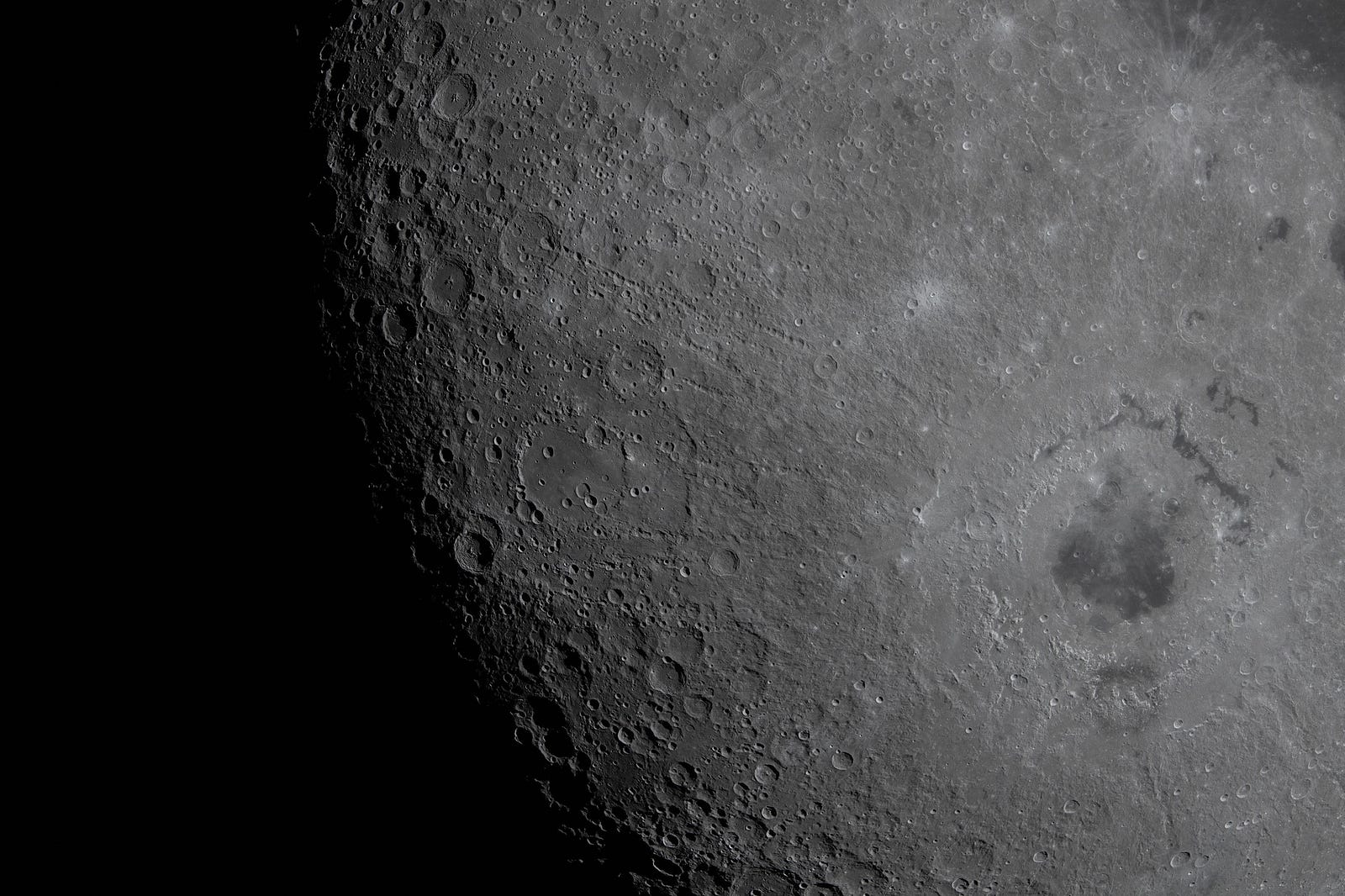
NASA’s own language now is not merely about visiting the Moon, but about a sustained lunar presence and a Moon-to-Mars architecture that grows in complexity over time.
And this new push outward is not happening in isolation.
In recent years we have watched the James Webb Space Telescope open a new era in infrared astronomy with its first full-color science images, showing the universe with a clarity and depth we had never seen before.
We watched Ingenuity make the first powered, controlled flight on another planet, then go on to fly 72 times over nearly three years on Mars after being designed for only a handful of test flights. These are different missions, aimed at different worlds, but together they tell the same story: human beings are still learning how to see farther, travel farther, and operate in environments that once belonged entirely to science fiction.
The story does not end in the sky. The push to leave Earth has had a habit of improving life back on Earth, too. From scratch-resistant lenses and memory foam to LEDs, ear thermometers, CAT scans, and portable computing, NASA has a habit of unleashing space-age technology.
Why not? Ambitious exploration has a way of producing tools, materials, and engineering solutions that outlive the original mission. We reach for the stars and come back with better things for ordinary life.
That is why Artemis matters so much. It is easy to look at delays, cost overruns, redesigns, and political squabbling and conclude that the glory days are behind us. But that misses what this mission really represents. Great, historic projects are rarely elegant while they are unfolding. They are messy, cumulative, and full of setbacks. The cathedrals of the future always look unfinished in the present.
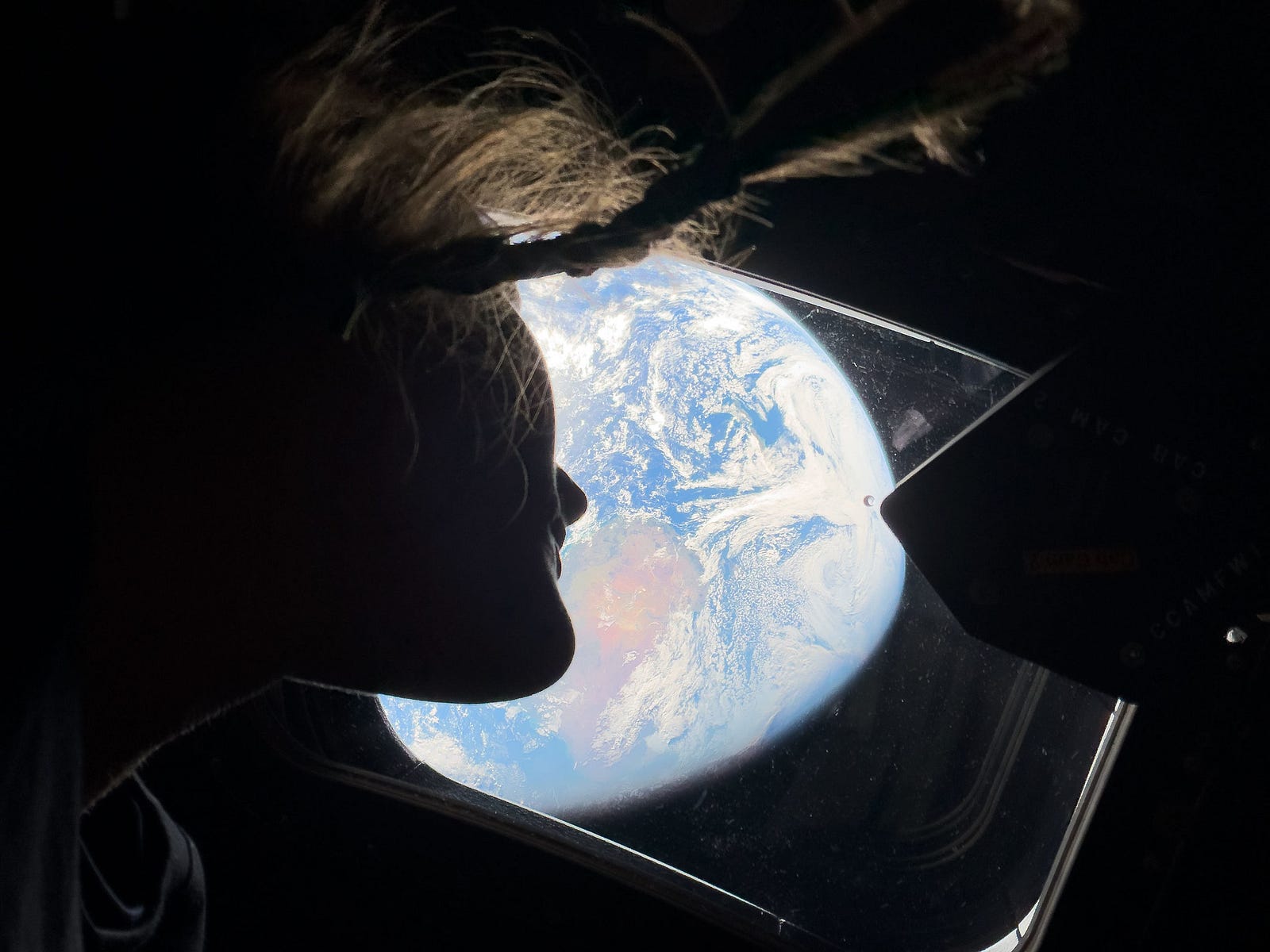
If there are people mining ice, building habitats, conducting science, and raising families on the Moon in the next century, they will owe something to Artemis II and the missions that will undoubtably follow. They will also owe something to Apollo, to Webb, to Ingenuity, and even to the missions that ended in grief. The journey to the far side of the Moon is heroic not because it is easy or nostalgic.
It is heroic because humanity is still willing, even after all this time, to begin again.
(Contributing writer, Brooke Bell)